About Zambia
Culture & Music
Cultural Diversity
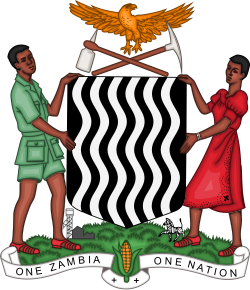
Zambia is home to 73 ethnic groups, each with its own unique traditions, language, and customs. Despite this diversity, Zambia has maintained remarkable national unity under the motto "One Zambia, One Nation."
The major ethnic groups include the Bemba, Tonga, Chewa, Lozi, Nsenga, Tumbuka, Ngoni, Lala, Kaonde, Lunda, and Luvale. English is the official language, while Bemba and Nyanja serve as the most widely spoken local languages.
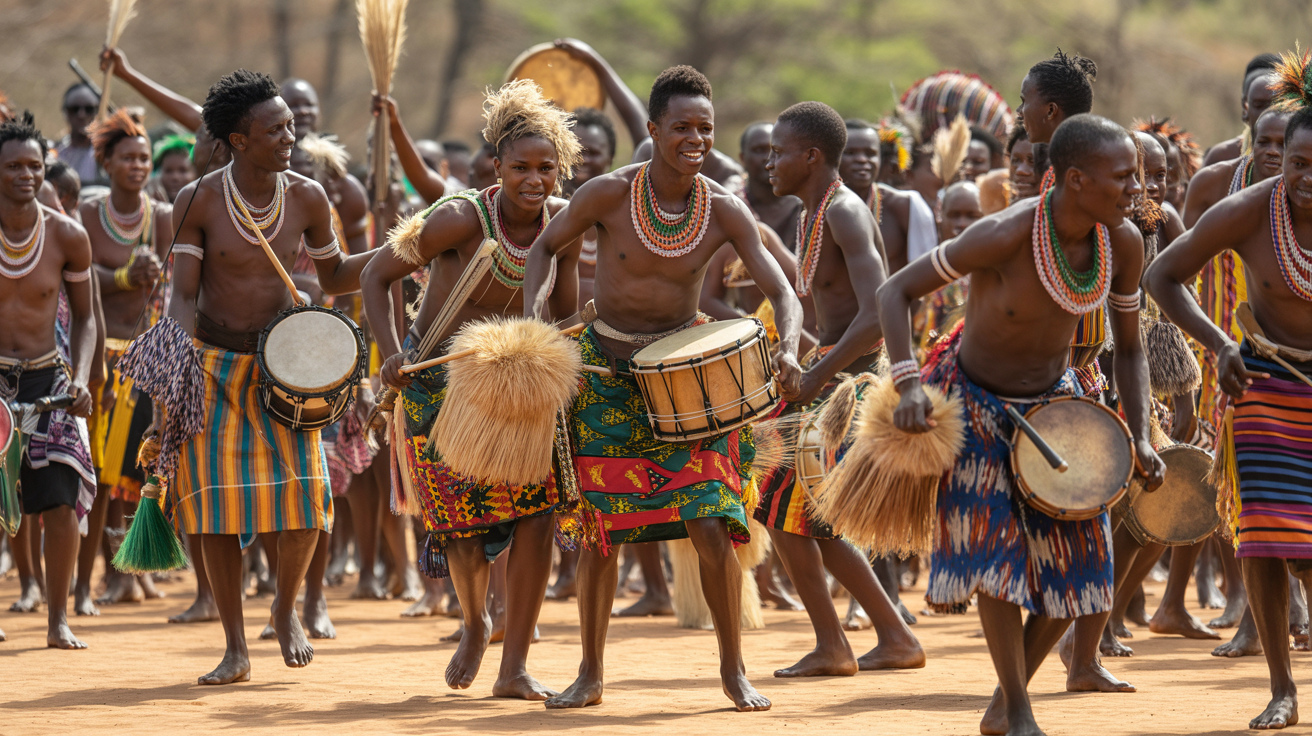
Traditional ceremonies are a vital part of Zambian culture, with over 20 annual ceremonies celebrated across the country. These ceremonies preserve cultural heritage, celebrate history, and bring communities together.
Traditional Ceremonies
Kuomboka
Lozi People
The king's annual migration from the flooded Barotse plains to higher ground. One of Africa's most spectacular traditional events.
Nc'wala
Ngoni People
A celebration of the first fruits, featuring warrior dances and a ritual where the paramount chief tastes the first fruits of the season.
Umutomboko
Lunda People
Celebrates the migration of the Lunda people from the Lunda Kingdom in the DRC to Zambia.
Likumbi Lya Mize
Luvale People
A celebration featuring the famous Makishi masquerade dancers with elaborate masks and costumes.
Shimunenga
Ila People
An annual cattle-herding ceremony where the Ila drive their cattle across the Kafue Flats.
Kulamba
Chewa People
A thanksgiving ceremony held annually that brings together the Chewa from Zambia, Malawi, and Mozambique.
Zambian Music
Music is central to Zambian culture. Traditional music features instruments like the silimba (xylophone), budima drums, kalumbu (thumb piano), and various percussion instruments. Each ethnic group has its own musical traditions tied to ceremonies, storytelling, and daily life.
Zamrock emerged in the 1970s as a unique fusion of traditional Zambian music with psychedelic rock, funk, and garage rock. Bands like WITCH (We Intend To Cause Havoc), Ngozi Family, Musi-O-Tunya, and Amanaz created a distinctive sound that has gained international recognition in recent decades.
Modern Zambian music spans genres including Zambian hip-hop (Zed hip-hop), Kalindula (a popular dance music style), Afro-pop, and gospel. Artists like Macky 2, Chef 187, Yo Maps, and Mampi have popularized contemporary Zambian music across Africa and beyond.
The country also has a rich tradition of storytelling through music, with folk songs passed down through generations that teach moral lessons, celebrate heroes, and preserve cultural memory.